
Howard Pyle: All-American Blood n' Thunder (and some witchery, to boot)
Howard Pyle, the Father of American Illustration, died on this date in 1911. Ironically, for a man with deep American roots and who had striven mightily to establish an “American School of Art” independent of the Old World art traditions, he died in Florence while on extended vacation. Howard passed away at the age of fifty-eight, leaving a legacy of over three thousand illustrations, along with scores of art students and fans who would, themselves, go on to make great art.
I had originally planned on skipping this tribute to Pyle but several factors swayed me to do something. For one thing, most of Howard Pyle's output can be roughly grouped into three categories: the Age of Piracy, the Middle Ages and Americana--especially the American Revolution. Well, 2026 is the American sesquicentennial, something I haven't really posted about this year. Howard indisputably set the standard for art depicting the Revolution.
Another factor was my own perspective on this particular time of year. To me, these weeks between Halloween and Thanksgiving blend a little. Horror plus Pilgrims and Puritans. Looked at from one angle, that could mean Lovecraft and 'Lovecraft Country'. From another, I see Solomon Kane. Pyle created some cool illustrations in that vein, as you'll see.
Let's be about it.
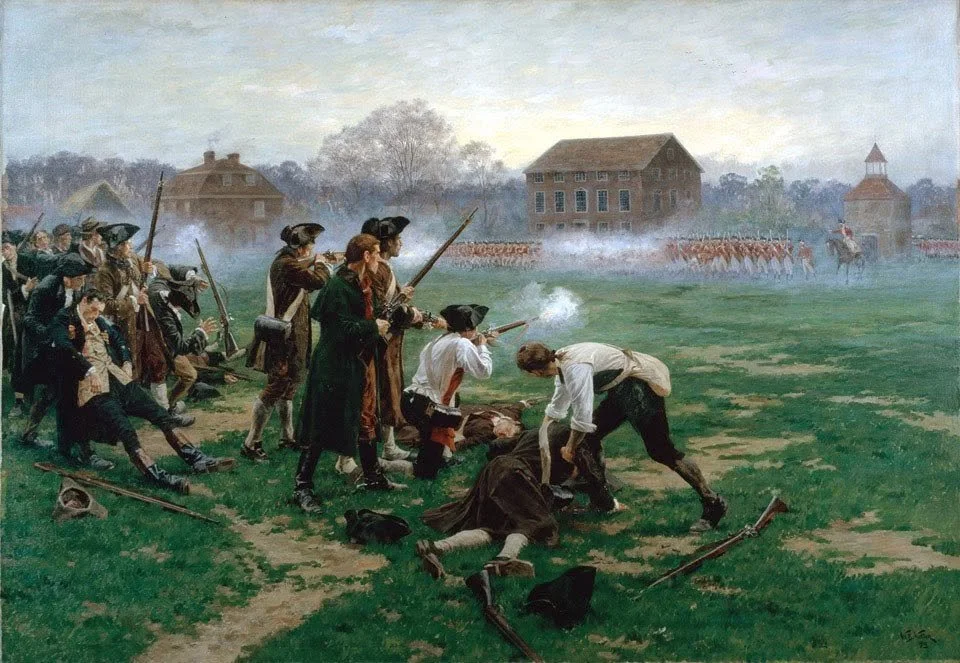
Above is a painting of Lexington. Pyle was one of the first American artists to truly capture a visceral and realistic atmosphere in his military paintings.
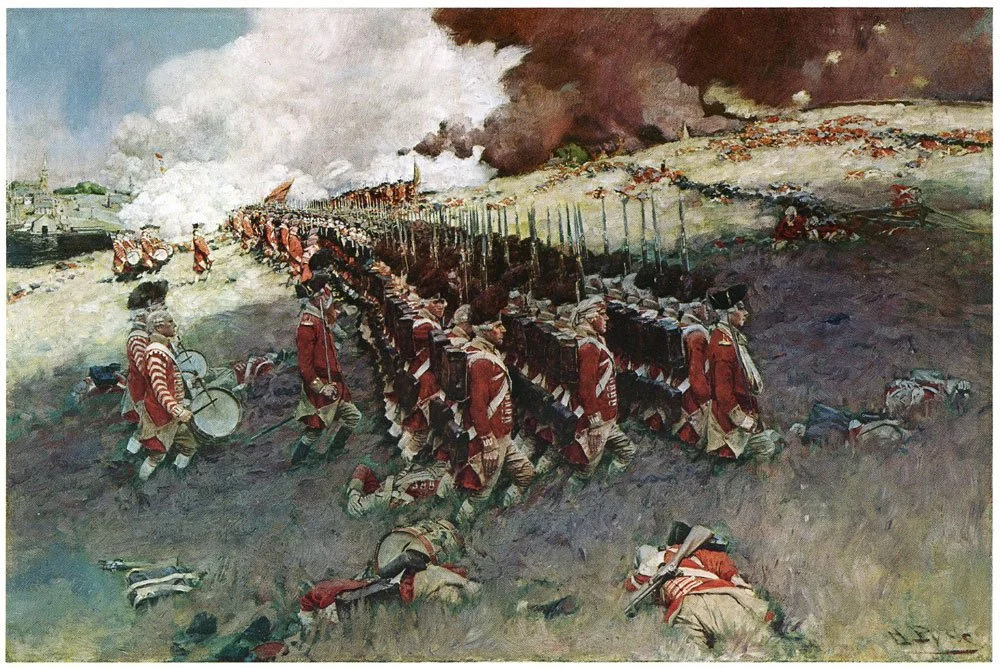
Pyle's painting of the Battle of Bunker Hill remains iconic and well-known, even in this decadent age.
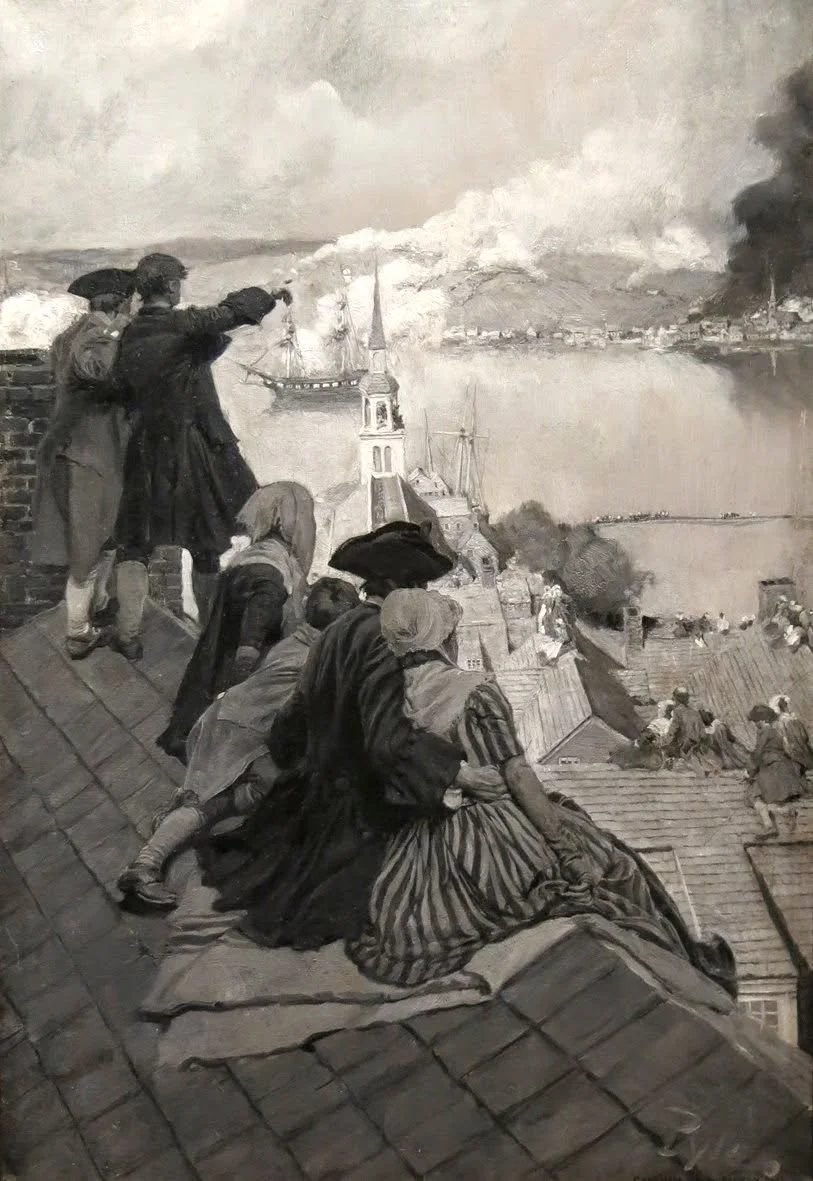
Above is a quieter view of Bunker Hill, with Boston spectators watching history being made on the far side of the Charles River.
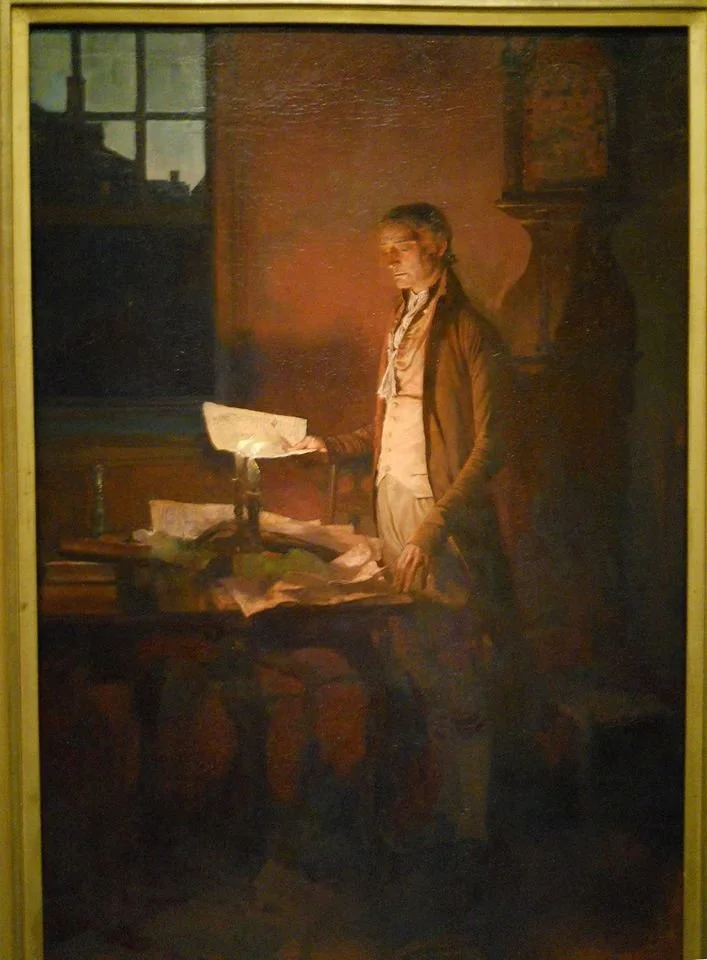
Thomas Jefferson, finalizing the Declaration of Independence in the small hours of the night. I consider this one of Pyle’s underrated gems.
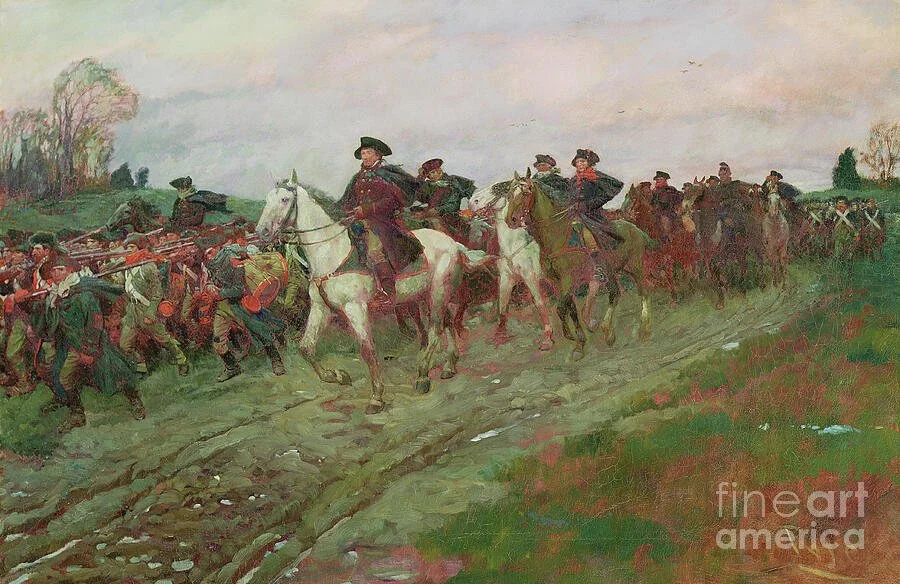
Washington fell back after Bunker Hill, eventually taking a stand at Fort Lee. When the British took that American bastion on November 20, 1776, Washington’s Continental Army marched one hundred and fifty miles through New Jersey to Pennsylvania, a harrowing retreat that set the stage for the surprise victories at Trenton and Princeton. One of my ancestors was on that march. Pyle did a masterful job of portraying both the dejection and iron resolve of those men in the painting above.
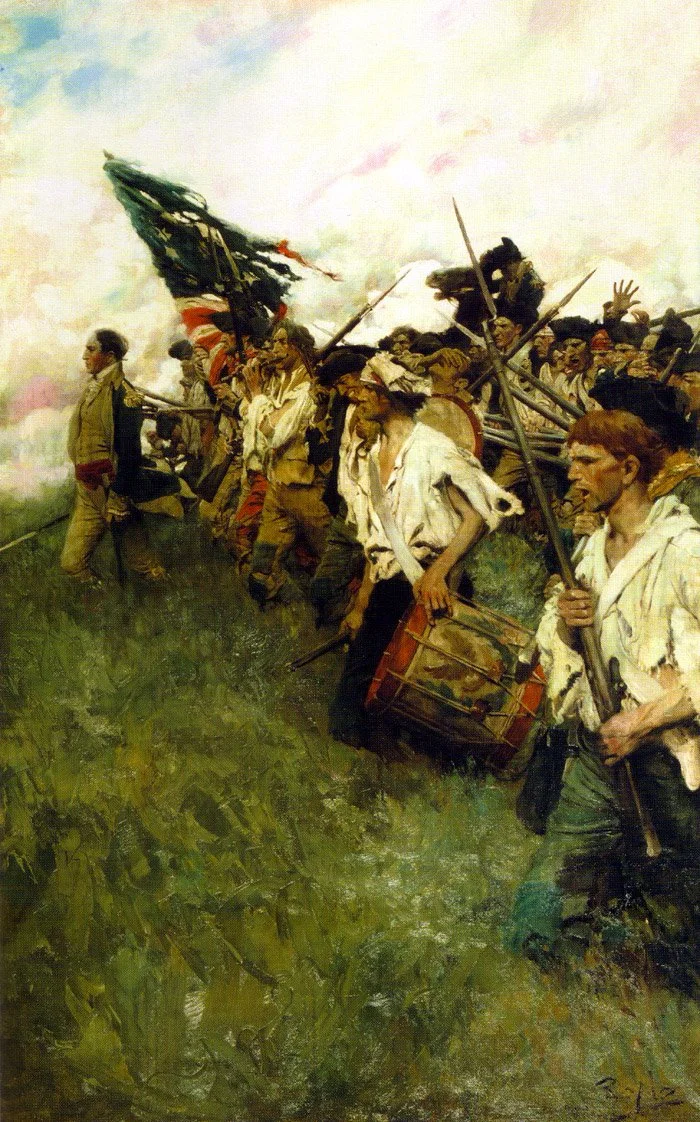
Nearly a year later, Washingon faced off against the British on Brandywine Creek at Chadds Ford. The Americans lost, but Howard Pyle's iconic "The Nation Makers" once again commemorates their courage and tenacity. Howard was born in Wilmington, not far from Chadds Ford. One hundred and twenty-one years after the battle, he would establish his legendary Howard Pyle School of Art near Chadds Ford--which is often referred to as the 'Brandywine School'. N.C. Wyeth later moved his family there. Frank Frazetta established his own studio about ninety miles away. Something in the air...
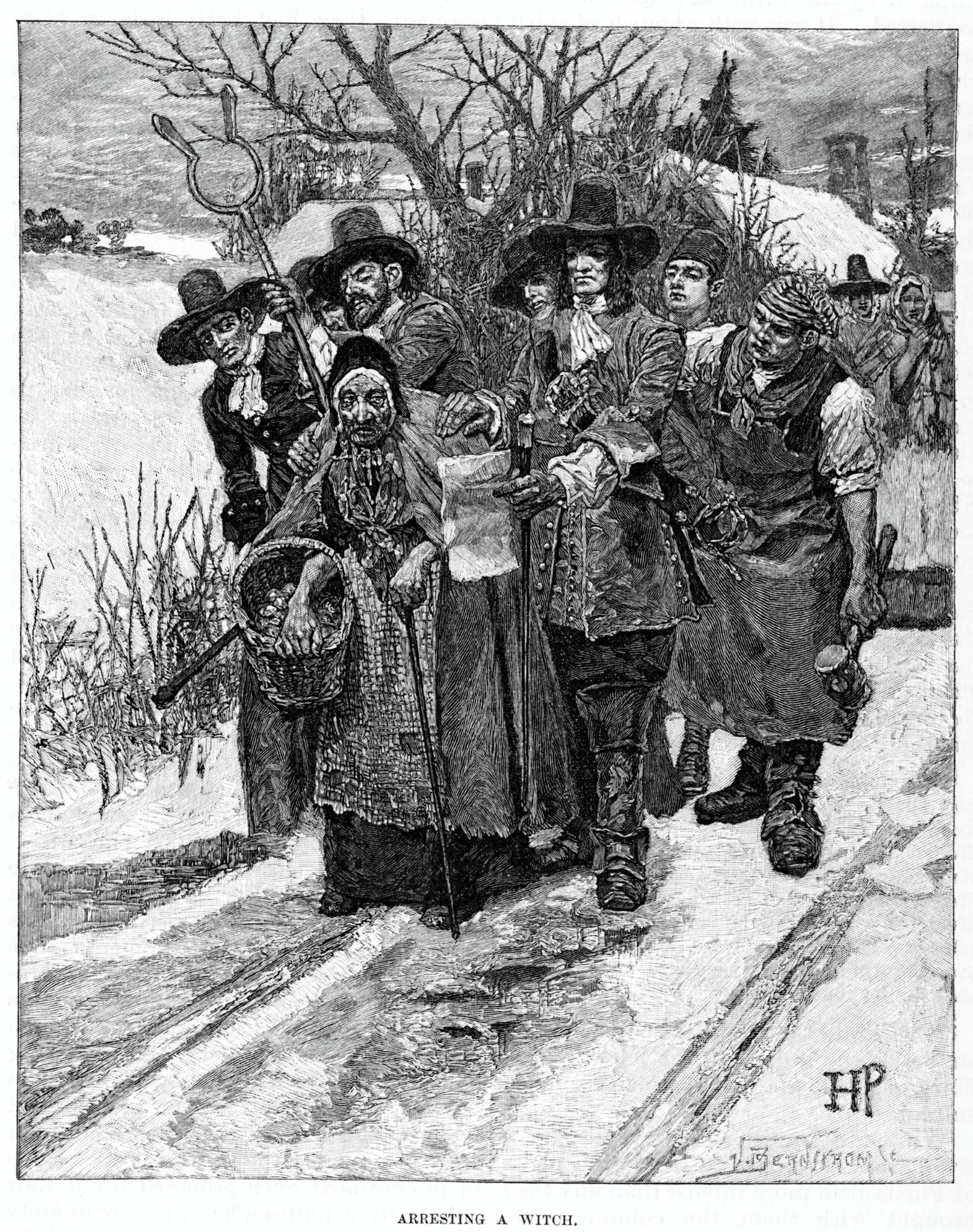
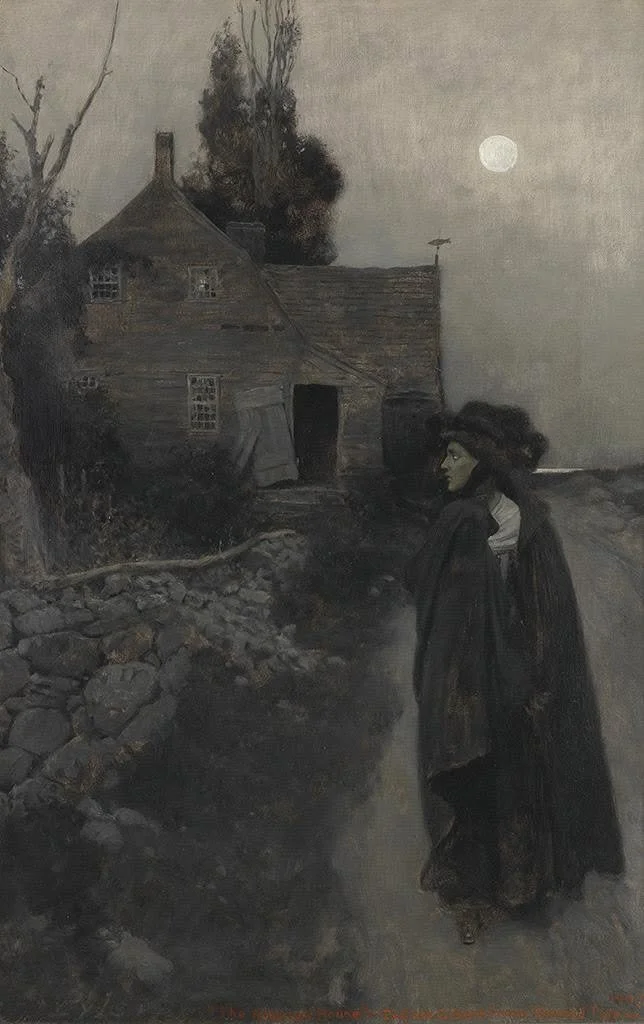
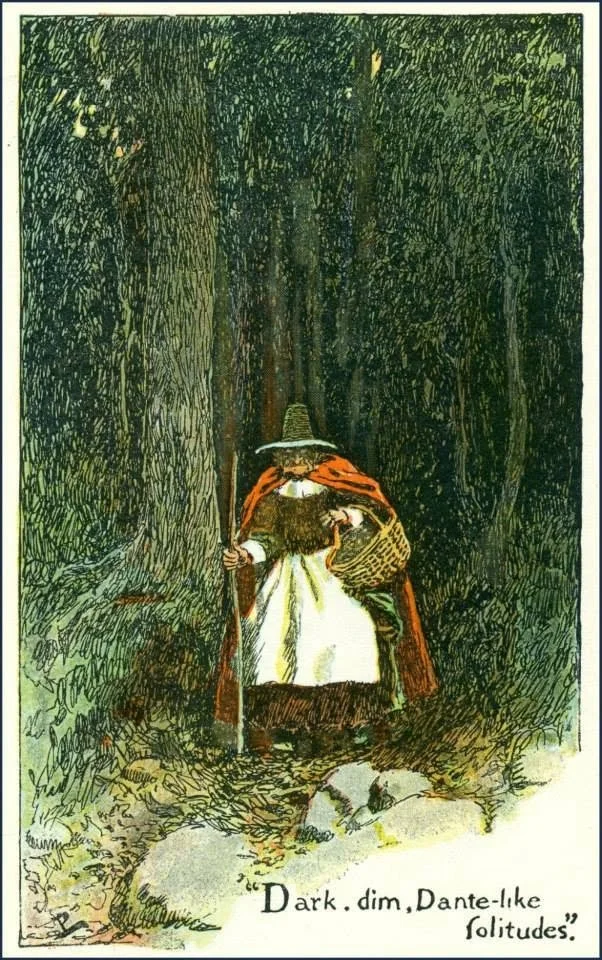
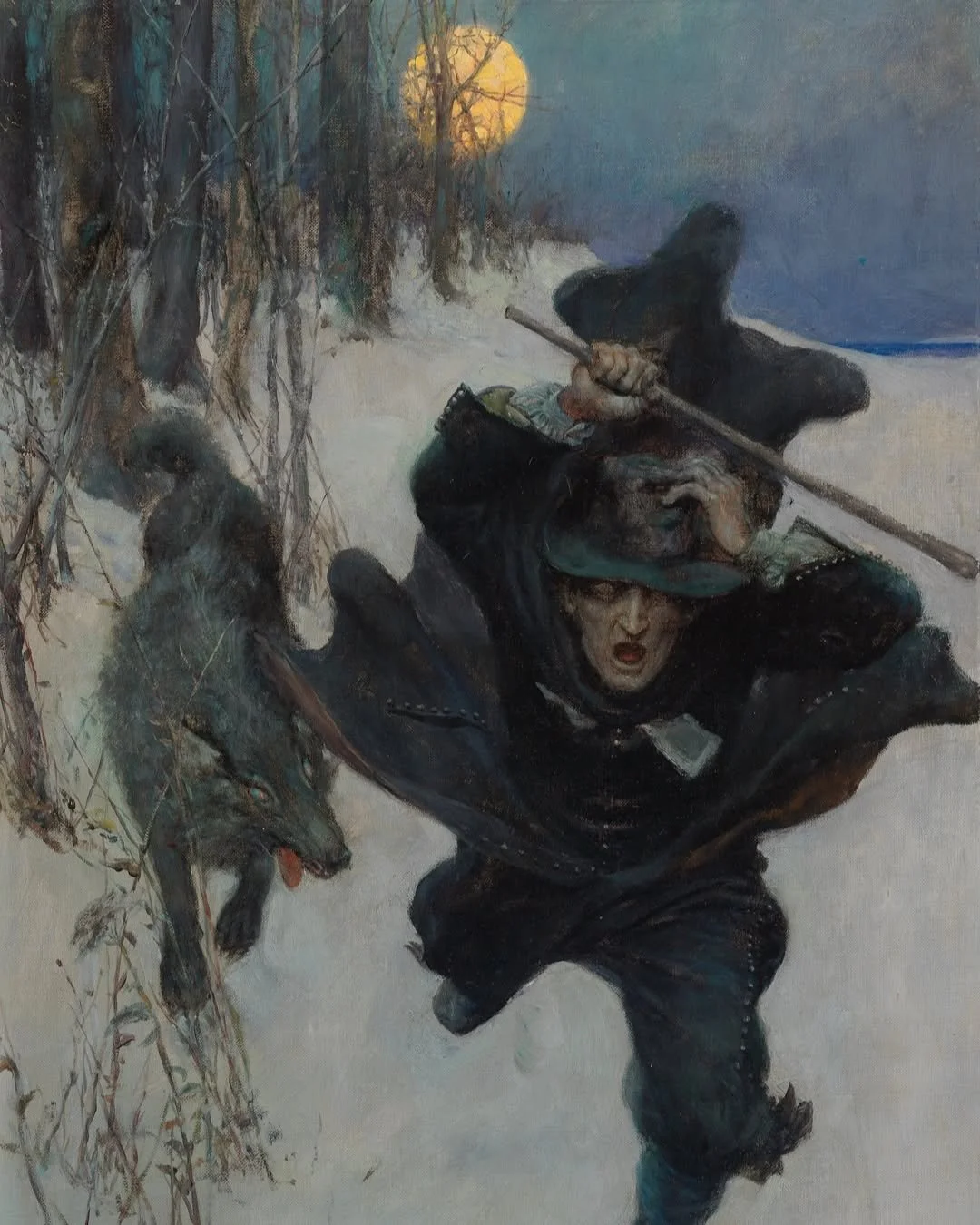
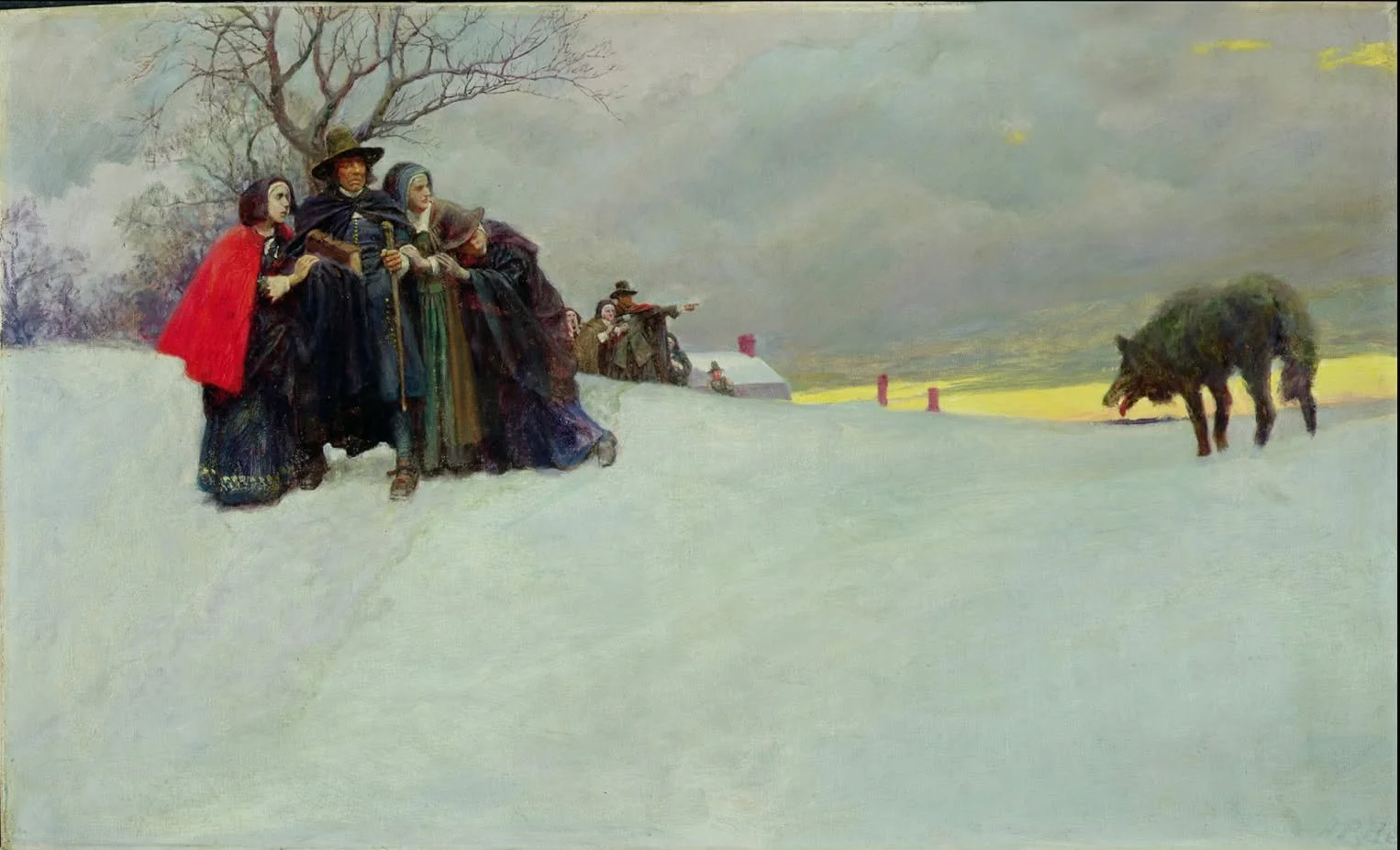
As I said, Howard Pyle wasn't averse to depicting colonial New England and the witches thereof. Here are some of his best illustrations in that vein...
==